
Keeping your trees and shrubs looking good in Fredericton can be a bit of a challenge. We all want that lush green look, right? But sometimes, our plants just don’t seem to thrive. This article is all about helping you understand what your trees and shrubs need to grow strong and healthy, right here in our city. We’ll cover why good nutrition is a big deal, how to spot when something’s not quite right, and what to do about it. Let’s get your plants looking their best!
Key Takeaways
- Good tree nutrition and shrub fertilization are important for healthy plants in Fredericton.
- Plants might show problems like yellow leaves or slow growth if they lack nutrients.
- Knowing the signs of poor nutrition helps you act quickly.
- Picking the right fertilizer for Fredericton’s soil and plant needs is key.
- Timing and method matter when you fertilize your trees and shrubs.
Why Tree Nutrition Matters in Fredericton
When you think about trees and shrubs in Fredericton, you probably picture them looking good, right? Well, keeping them that way takes more than just sunshine and rain. Proper fredericton tree nutrition is a big deal for making sure our local plants thrive. It’s not just about looks; it’s about their health and how long they live. Good nutrition helps trees and shrubs build strong roots, resist diseases, and handle our sometimes harsh New Brunswick weather. Without the right nutrients, they can really struggle, making them weak and more likely to have problems. Think of it like feeding yourself – you need a balanced diet to feel good and stay healthy, and plants are no different. Getting the right nutrients into the soil is one of the best tree growth solutions Fredericton has to offer for keeping our green spaces looking great and healthy year after year. It really helps improve tree growth Fredericton residents can see and appreciate.
Shrub Fertilization in Fredericton for Healthy Growth
Keeping your shrubs looking their best Tree services Fredericton involves more than just watering. Proper fertilization plays a big role in their overall health and appearance. Giving your shrubs the right nutrients helps them grow strong, resist diseases, and produce more flowers or fruits. It’s a key part of Fredericton shrub health advice for any gardener.
Common Nutrient Deficiencies in Fredericton Soils
Fredericton soils can sometimes lack certain nutrients that shrubs need to thrive. Knowing what to look for helps you pick the right fertilizer. Here are some common issues:
- Nitrogen (N): This is vital for leafy growth. A deficiency shows up as pale green or yellowing leaves, especially on older foliage.
- Phosphorus (P): Important for root development and flowering. Low phosphorus can lead to slow growth and poor bloom production.
- Potassium (K): Helps with overall plant vigor and disease resistance. Lack of potassium can make plants more susceptible to stress and environmental damage.
- Iron (Fe): Essential for chlorophyll production. A lack of iron often causes yellowing leaves with green veins, typically on new growth.
Understanding these deficiencies is the first step in effective tree and fredericton shrub fertilization. It helps you choose a product that targets your specific plant’s needs, rather than just applying a general fertilizer.
Signs of Poor Nutrition in Trees and Shrubs
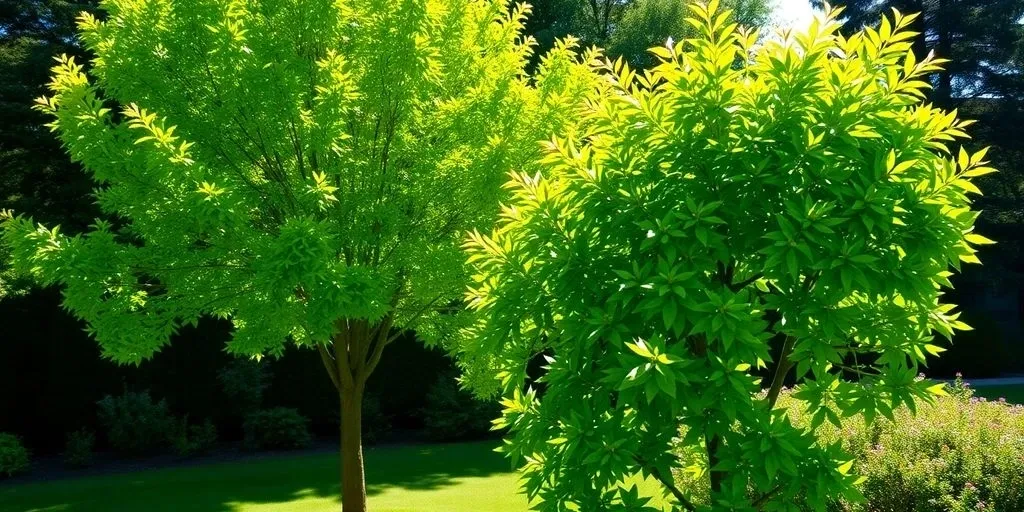
Spotting problems early is key to keeping your trees and shrubs looking good and healthy here in Fredericton. Sometimes, it’s not just a bad hair day for your plants; it’s a sign they’re not getting what they need. Paying attention to these visual cues can save you a lot of trouble down the road.
Yellowing Leaves (Chlorosis)
This is a pretty common one. When leaves start turning yellow, but the veins stay green, it often points to a lack of iron or sometimes magnesium. It’s like the plant is telling you it’s anemic. This can happen if the soil pH is too high, making it hard for the plant to take up these nutrients, even if they’re there. You might see this on new growth first, or it could spread across the whole plant. It really makes them look sad.
Stunted Growth and Small Leaves
If your usually vigorous maple tree is suddenly putting out tiny leaves and not growing much taller, that’s a red flag. It could be a shortage of nitrogen, which is like the plant’s protein, or phosphorus, which helps with root and flower development. Basically, the plant isn’t getting enough building blocks to grow like it should. You might notice branches aren’t thickening up either.
Increased Susceptibility to Pests and Diseases
This one is a bit more indirect. Plants that are struggling with nutrient deficiencies are weaker overall. Think of it like a person who’s run down – they’re more likely to catch a cold. So, if you’re seeing more bugs munching on your shrubs or a new fungus popping up on your trees, it might be because their immune system is low due to poor nutrition. It’s a cycle that can be hard to break if you don’t address the root cause. Sometimes, a plant just looks a bit off. It’s easy to blame the weather or think it’s just a phase. But if you see a pattern, like leaves consistently looking pale or growth slowing down year after year, it’s worth investigating. Your plants are trying to tell you something, and usually, it’s about their dinner.
Choosing the Right Fertilizer for Fredericton Trees and Shrubs
Picking the right fertilizer for your Fredericton trees and shrubs can feel a bit overwhelming, but it doesn’t have to be. The best fertilizer for Fredericton trees and shrubs really depends on what your plants need. Think of it like feeding yourself – you wouldn’t just eat junk food, right? Your plants need a balanced diet too. Most bagged fertilizers have three numbers on them, like 10-10-10 or 20-5-10. These numbers represent Nitrogen (N), Phosphorus (P), and Potassium (K). Nitrogen helps with leafy green growth, Phosphorus is good for roots and flowers, and Potassium helps the plant overall, especially with disease resistance. Here’s a quick rundown of what to look for:
- For general growth and green leaves: Look for a fertilizer with a higher first number (Nitrogen). Something like a 20-10-10 is a good start.
- For encouraging blooms and strong roots: A fertilizer with a higher middle number (Phosphorus) can be beneficial, but be mindful that too much phosphorus isn’t always good for the environment.
- For overall plant health and stress tolerance: A balanced fertilizer (like 10-10-10) or one with a good amount of Potassium (the last number) is a solid choice.
Best Practices for Fertilization in Fredericton
When you’re feeding your trees and shrubs here in Fredericton, doing it right makes a big difference. First off, always water your plants thoroughly before applying any fertilizer. This helps prevent root burn, which nobody wants. It’s also a good idea to spread the fertilizer evenly around the base of the plant, extending out to the drip line – that’s the edge of the branches. Don’t just dump it all in one spot; that’s not helpful.
- Read the label: Every fertilizer is different. Pay attention to the N-P-K numbers and follow the application rates. Too much can be as bad as too little.
- Avoid fertilizing during extreme weather: Hot, dry spells or when the ground is frozen are not good times. Wait for more moderate conditions.
- Consider slow-release options: These feed your plants over a longer period and reduce the risk of over-fertilizing.
Applying fertilizer directly against the trunk or stems can damage the bark. Keep it a few inches away to give the roots time to absorb the nutrients without direct contact.
When to Fertilize Your Trees and Shrubs in Fredericton
Figuring out the best time to feed your trees and shrubs in Fredericton really depends on what you’re trying to achieve and the specific plant you have. Generally, though, spring is a good starting point for most established trees and shrubs. This is when they’re waking up from winter and getting ready to put on new growth. Giving them a boost now can really help them get off to a strong start for the season. For younger trees and shrubs, especially those planted in the last year or two, you might want to fertilize a bit more often, maybe in both spring and fall. This helps them establish a good root system. However, avoid fertilizing right after planting, as this can burn the new roots. Wait a few weeks or until you see signs of new growth. When it comes to fall fertilization, it’s a bit more nuanced. For many plants, a late fall feeding can be beneficial. It helps them store energy for the winter and prepare for spring. Think of it as a little pick-me-up before their long nap. But, you don’t want to fertilize too late in the fall, especially with nitrogen-heavy fertilizers, because that can encourage new growth that won’t survive the frost. It’s a delicate balance. Here’s a general guideline:
- Spring: Ideal for most established trees and shrubs to support new growth.
- Late Summer/Early Fall: Good for encouraging root development and storing energy for winter, especially for younger plants.
- Avoid: Fertilizing during the peak heat of summer or when the ground is frozen in winter.
Wrapping Up Your Fredericton Yard Care
So, that’s the lowdown on keeping your trees and shrubs looking good here in Fredericton. It’s not rocket science, really. A little bit of the right food at the right time can make a big difference. Pay attention to what your plants are telling you – yellow leaves or slow growth are usually signs something’s up. Don’t be afraid to get your hands dirty a bit. Your yard will thank you for it, and you’ll have some nice green things to look at all season long. Happy gardening!
Frequently Asked Questions
Why is feeding trees and shrubs important in Fredericton?
Just like people, trees and shrubs need the right food—nutrients—to stay healthy. Proper feeding helps them grow strong, resist diseases, and look their best. Without enough nutrients, they can become weak, sick, and more vulnerable to problems.
How can I tell if my plants aren’t getting enough nutrients?
Look for signs like pale or yellowing leaves, slow growth, or unusually small leaves. Drooping or discolored foliage can also be a sign of nutrient deficiency.
What are common nutrient problems for shrubs in Fredericton?
A frequent issue is iron deficiency, which causes yellow leaves. Shrubs may also need extra nitrogen for leafy growth or potassium for overall health.
What kind of fertilizer should I use for my trees and shrubs?
Choose a fertilizer that contains the three main nutrients: Nitrogen (N), Phosphorus (P), and Potassium (K). Select a balanced formula or one designed for your specific type of plant—and always read the label before applying.
When is the best time to fertilize my plants?
The ideal time to feed your plants is in the spring, as they begin their growing season. A second feeding in the fall can also be helpful. Avoid fertilizing in the heat of summer or when the ground is frozen.